Trust Wallet: The Definitive Guide to Managing Cryptocurrency Safely
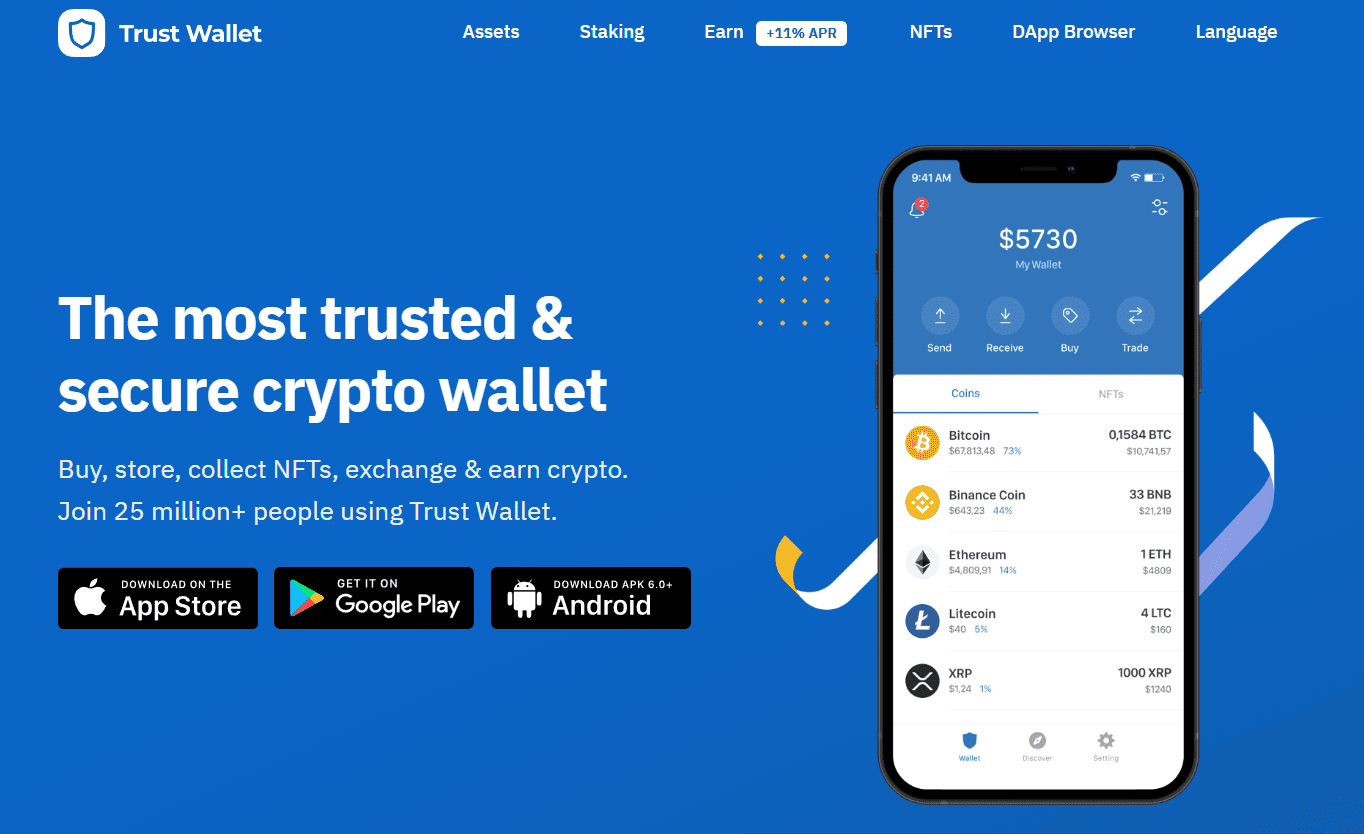
In the modern digital world, cryptocurrency is becoming an essential asset class. Managing it securely requires a reliable wallet. Trust Wallet is a mobile-based cryptocurrency wallet that allows users to safely store, send, receive, and manage multiple types of digital assets. With its intuitive interface, support for multiple blockchains, decentralized applications (DApps), and staking features, Trust Wallet provides a comprehensive solution for crypto enthusiasts.
This guide will explore Trust Wallet in detail, covering setup, features, security, troubleshooting, and best practices.
What Makes Trust Wallet Unique
Trust Wallet is a non-custodial wallet, meaning that users retain full control of their private keys. Unlike exchange wallets, where assets are stored on a centralized platform, Trust Wallet ensures that you are the only one who can access your funds.
Key Advantages:
Supports multiple cryptocurrencies and tokens across various blockchains
Integrated DApp browser for accessing decentralized applications
Staking capabilities for passive income
Built-in token swaps without external exchanges
Private keys stored locally on the user’s device
Trust Wallet balances accessibility with advanced functionality, making it suitable for both beginners and experienced users.
How Trust Wallet Functions
Trust Wallet generates private keys and a recovery phrase that remain stored on your device. This ensures that you retain full control of your funds while interacting directly with blockchain networks.
Key points about how it works:
Transactions are signed on your device, preventing unauthorized access
No centralized server stores your funds
Users can interact with DeFi, stake tokens, and trade cryptocurrencies securely
Being a non-custodial wallet, Trust Wallet emphasizes privacy, security, and user ownership.
Getting Started with Trust Wallet
Step 1: Download the App
Available on iOS (App Store) and Android (Google Play Store)
Only download from official sources to prevent malicious apps
Step 2: Set Up Your Wallet
Open the app and select “Create a New Wallet.”
Agree to the terms of service and privacy policy
Step 3: Backup Your Recovery Phrase
Trust Wallet generates a 12-word recovery phrase
Write it down offline and store it in a secure location
This phrase is essential for restoring the wallet if your device is lost or damaged
Step 4: Confirm Your Recovery Phrase
Enter the 12 words in order to verify your backup
Once confirmed, your wallet is ready for use
Trust Wallet Features
Multi-Currency Support
Trust Wallet supports thousands of cryptocurrencies across multiple blockchains, including:
Ethereum (ETH) and ERC-20 tokens
Binance Smart Chain (BSC) and BEP-20 tokens
Bitcoin (BTC), Litecoin (LTC), and more
Built-in DApp Browser
The DApp browser allows users to access:
Decentralized exchanges (DEXs)
NFT marketplaces
DeFi platforms
Blockchain games
Staking Options
Users can stake supported tokens directly in Trust Wallet to earn rewards. Examples include:
Tezos (XTZ)
Tron (TRX)
Cosmos (ATOM)
In-App Token Swaps
Trust Wallet enables users to swap supported cryptocurrencies directly within the app, leveraging decentralized exchanges for secure and instant trading.
Sending and Receiving Crypto
Receiving Cryptocurrency
Open Trust Wallet and select the cryptocurrency to receive
Tap “Receive” to display your wallet address and QR code
Share this address with the sender
Sending Cryptocurrency
Select the cryptocurrency to send
Tap “Send”, enter the recipient’s address and amount
Confirm the transaction and pay any applicable network fee
Every transaction requires confirmation on the device, adding an extra layer of security.
Security Measures in Trust Wallet
Trust Wallet emphasizes security through multiple features:
Local private key storage: Keys never leave your device
PIN and biometric authentication for app access
Recovery phrase backup for wallet restoration
Non-custodial control ensuring you own all funds
Optional hardware wallet integration for extra security
Troubleshooting Common Issues
App Connectivity Problems: Check your internet connection and ensure the app is updated
Lost Recovery Phrase: Wallet cannot be restored without it
Failed Transactions: Verify network status and token compatibility
Missing Tokens: Add custom tokens manually using their contract addresses
Best Practices for Using Trust Wallet
Keep your recovery phrase offline in a secure location
Enable PIN or biometric security for app access
Confirm token addresses before adding new tokens
Update the app regularly to access new features and security improvements
Use trusted DApps only to avoid scams or phishing attacks
Avoid using public Wi-Fi when sending or receiving crypto
Pros and Cons of Trust Wallet
Advantages:
User-friendly interface suitable for beginners
Supports multiple cryptocurrencies and blockchains
Access to DApps, DeFi, and NFT marketplaces
Staking and in-app token swaps
Full control of private keys and funds
Disadvantages:
Mobile-only wallet (no desktop version)
Security depends on the mobile device
Limited advanced trading features compared to full exchanges
Advanced Tips for Power Users
Use hidden wallets for privacy and extra security
Monitor transaction notifications to track wallet activity
Regularly review token holdings and remove unused or unsupported tokens
Carefully verify smart contract addresses before interacting with DeFi platforms
Conclusion
Trust Wallet is a secure, versatile, and mobile-friendly cryptocurrency wallet. It allows users to manage multiple coins, stake tokens, swap cryptocurrencies, and access decentralized applications, all while maintaining full control of their private keys.
By following best practices—storing recovery phrases safely, using authentication, and verifying DApps—users can confidently manage their assets. Trust Wallet is an ideal solution for anyone seeking a reliable, non-custodial wallet that combines usability with advanced crypto functionality.